To master the Language of Effective Listening, you must learn to recognize the two primary “modes” of body language in a marriage: The Fortress and The Bridge.
1. The Fortress (Defensive/Reactive)
When we feel attacked, we instinctively protect our “vitals.”
-
The Cross: Folding arms across the chest or crossing legs tightly.
-
The Angle: Shifting the torso away from your spouse (the “cold shoulder”).
-
The Barrier: Placing an object (a phone, a pillow, or a coffee mug) between you and your partner.
-
The Lockdown: Clenched jaws and tightened brows.
The Result: Your spouse feels “shut out.” Even if you are saying the right words, your posture communicates that you are not a safe place for their feelings.
2. The Bridge (Open/Proactive)
Effective communicators use their bodies to invite their partners in.
-
The Lean: Leaning slightly forward toward your spouse. This signals interest and engagement.
-
The Open Palm: Keeping hands relaxed and visible rather than hidden or clenched.
-
The Facing: Keeping your “heart to heart”—meaning your shoulders are square to theirs.
-
The Nod: Subtle head nods that signal “I am following you,” which encourages the speaker to continue.
How to move from “The Fortress” to “The Bridge”
If you feel yourself getting defensive, lean in. It is physically counter-intuitive to be defensive while leaning toward someone. It forces your brain to stay engaged rather than retreating.
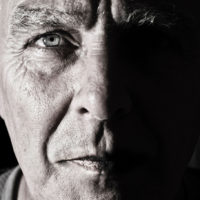
The Power of the “Soft Gaze”
When you first see your spouse after a long day, your eyes are the first thing they “read.”
-
Hard Eyes: Narrowed, focused on “winning” or finding faults. This triggers the other person’s “fight or flight” response.
-
Soft Eyes: Relaxed muscles around the eyes, signaling safety and receptivity.
Marriage Tip: Before you start a difficult conversation, consciously check your eyes in a literal mirror. If you look like you’re going into a boardroom battle, wait five minutes and practice your “Shift Gears” ritual.
The “Lower Half” Secret
We often focus on our faces, but our feet and legs are actually the most honest parts of our bodies because we don’t think to “mask” them.
-
The Exit: If your feet are pointed toward the door while your spouse is talking, your body is literally telling them, “I want to leave this conversation.”
-
The Anchor: Keeping your feet planted toward your partner signals, “I am grounded here with you until we resolve this.”
The “Body Language Audit”
During your next conversation, try to catch yourself in the act. Ask these three questions:
-
Am I a Fortress or a Bridge? (Check your arms and shoulders).
-
Where is my heart pointing? (Check if your torso is angled away).
-
Are my eyes “Hard” or “Soft”? (Check the tension in your brow).
The Payoff
When you adopt a “Bridge” posture, something miraculous happens: your internal chemistry changes. It is biologically difficult to remain in a “rage” while your body is in an “open” posture. By changing your body, you give your heart permission to follow.